Top 10 Petrochemical Industry Electric Motors Manufacturers & Exporters serving Costa Rica
An Executive Engineering Whitepaper on Explosion-Proof Motors, Localized Energy Efficiency, and Technical Procurement Standards for Costa Rican Refineries and Chemical Infrastructure
High-Performance Hardware Solutions
Recommended Petrochemical & Heavy Industrial Electric Motors
Engineered for hazardous locations, continuous duty cycles, tropical corrosion resistance, and high energy savings in Costa Rica's oil, gas, and process industries.
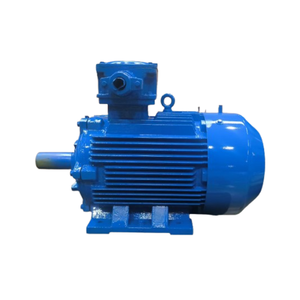
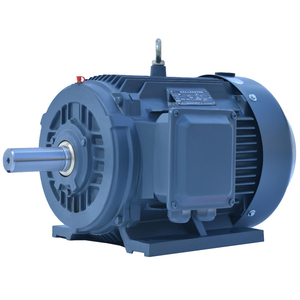
Electric Motor YE3-112M-4 IE3 Electric Motor 4kw
IE3 High Efficiency4 kW / 5.5 HP4-PoleCast Iron Frame
1. Strategic Overview: Petrochemical Drive Systems in Costa Rica
Costa Rica’s industrial sector occupies a unique position in Central America. Driven by strict national sustainability mandates, including the Plan Nacional de Descarbonización (2018–2050), state-owned enterprises such as the Refinadora Costarricense de Petróleo (RECOPE) alongside private chemical storage, bio-fuel, and polymer blending operations are undergoing a continuous mechanical modernization. Central to this transformation is the deployment of highly reliable, explosion-proof, and ultra-high-efficiency electric motors capable of withstanding harsh tropical marine environments while significantly lowering operational kilowatt-hour (kWh) demands.
Operating industrial machinery near key logistical hubs—such as the Moín Terminal in Limón on the Caribbean coast or storage and distribution facilities in Puntarenas and the Central Valley—presents a complex interplay of engineering challenges:
95%+
Relative Humidity Ingress Resistance Required
Zone 1/2
ATEX / IECEx Explosion Protection Compliance
IE4 / IE5
Super/Ultra-Premium Efficiency Benchmarks
60 Hz
Dual Voltage (230/460V & 480V) Grid Alignment
To deliver true Information Gain for plant engineers, operations directors, and international procurement managers, this whitepaper evaluates the top global electric motor manufacturers supplying Costa Rica. It breaks down technical specifications, explosion protection methodologies (Ex d, Ex de, Ex nA), frame metallurgy, and long-term cost of ownership (TCO).
Global Supplier Benchmarking
2. Top 10 Petrochemical Electric Motor Manufacturers & Exporters Serving Costa Rica
An authoritative comparative breakdown evaluating technical engineering capabilities, certification rigor, customizability, and supply chain readiness for the Central American market.
1. OME Motors (O.M.E. Motori Elettrici)
Headquarters: Brescia, Italy | Global Reach: 100+ Countries
Core Strengths: Over 50 years of Italian engineering excellence specializing in custom explosion-proof (OMEX ExdIIBT4 / ExdIICT4), high-voltage, and NEMA premium motors. OME Motors provides direct-to-site engineering support for Costa Rican petrochemical terminals, utilizing C5-M anti-corrosion tropical coatings, 100% oxygen-free copper windings, and class H thermal insulation.
2. Siemens (SIMOTICS Series)
Headquarters: Germany | Focus: Digital Integration
Core Strengths: Renowned for SIMOTICS XP explosion-proof motors integrated with industrial IoT sensors. Excellent structural rigidity and compliance with both IEC and NEMA standards, widely used in automated continuous-process refinery lines.
3. ABB Motors and Generators
Headquarters: Switzerland | Focus: Hazardous Area Drives
Core Strengths: Offers an expansive portfolio of flameproof and increased-safety motors (M3JP series). Strong presence in Latin American power and fluid handling sectors with integrated variable speed drive (VSD) optimization.
4. WEG Electric Corp
Headquarters: Brazil | Focus: Regional Logistics
Core Strengths: Leverages geographic proximity to Central America. Produces W22X explosion-proof cast-iron frame motors designed for heavy industrial fluid transfer and harsh outdoor operating environments.
5. Nidec Industrial Solutions
Headquarters: Japan / France | Focus: Heavy Machinery
Core Strengths: Custom electric drive solutions for large-capacity gas compressors and high-pressure injection pumps. Known for low vibration indices and reliable heat dissipation under severe ambient conditions.
6. Regal Rexnord (Marathon Motors)
Headquarters: USA | Focus: NEMA Standard Units
Core Strengths: Specializes in North American NEMA frame sizes widely specified in legacy American-designed petrochemical plants throughout Central America and the Caribbean basin.
7. Marelli Motori
Headquarters: Italy | Focus: Power Gen & Offshore
Core Strengths: Heavy-duty explosion-proof motors and synchronous generators. Recognized for high mechanical protection standards (IP65/IP66) suited for chemical processing terminals.
8. Toshiba Industrial Systems
Headquarters: Japan / USA | Focus: Heavy Duty Low/Medium Voltage
Core Strengths: EQ PGlobal severe-duty motors designed for toxic, corrosive, and flammable gas atmospheres, featuring robust cast-iron construction and oversized bearings.
9. ATB Sever (ATB Group)
Headquarters: Austria / Serbia | Focus: Customized Ex Drives
Core Strengths: Tailor-engineered electric motors for flameproof environments in refineries, chemical synthesis facilities, and underground fuel pumping installations.
10. TECO Electric & Machinery
Headquarters: Taiwan | Focus: Industrial AC Motors
Core Strengths: Cost-effective IE3 and IE4 induction motors with robust insulation systems, catering to standard fluid handling and cooling tower applications across Central America.
Technical Matrix: Supplier Capabilities for Costa Rica
Costa Rica’s tropical environment, combined with strict safety and environmental standards, dictates specific operational parameters for industrial motor installations. Standard off-the-shelf motors often suffer early dielectric breakdown or enclosure oxidation if not properly specified.
Coastal Tank Farms & Marine Terminals
Key Location: Moín Petroleum Terminal (Limón Province) Environmental Stressors: Salt-spray atmospheric corrosion, saline humidity (>90%), direct sun exposure with ambient temperatures reaching 38°C. Required Specification: Motors must feature marine-grade C5-M epoxy coating systems, stainless steel fasteners, IP66 dual-lip shaft seals, and internal anti-condensation space heaters to prevent moisture accumulation during non-operational cycles.
Inter-Oceanic Fuel Pipeline Pumping
Key Location: Central Pipeline Network (Moín to Alajuela & Cartago) Environmental Stressors: Continuous 24/7 high-torque pumping through variable altitude changes and mountainous terrain. Required Specification: Heavy-duty explosion-proof motors (ExdIIBT4) rated for continuous S1 duty. High pull-up torque curves are necessary to restart high-viscosity oil columns without tripping grid protection devices.
Bio-Fuel & Ethanol Processing Plants
Key Location: Guanacaste & Puntarenas Agricultural Hubs Environmental Stressors: Volatile organic vapor exposure, sugar juice slurry abrasion, and high ambient thermal spikes. Required Specification: Motors equipped with Class H insulation, Class B temperature rise allowance, and integrated PTC thermal sensors in windings to provide early warning against thermal overload.
Technical Insight: Protecting Windings in High-Humidity Environments
In Costa Rica's tropical climate, micro-condensation inside motor enclosures is the primary cause of winding insulation failure. Leading manufacturers like OME Motors utilize Vacuum Pressure Impregnation (VPI) with solventless epoxy resin, paired with automatically energized anti-condensation heaters during motor downtime to maintain winding resistance above 100 MΩ.
4. Local Market Trends: Decarbonization & Costa Rica Grid Integration
Costa Rica generates over 98% of its electricity from renewable sources (hydroelectric, geothermal, wind, and solar) managed by the Instituto Costarricense de Electricidad (ICE). However, industrial power tariffs remain a critical cost component for chemical process plants and fuel distributors. Upgrading legacy IE1 and IE2 induction motors to IE4 Super Premium and IE5 Permanent Magnet Synchronous Motors (PMSM) directly aligns with both national climate goals and bottom-line profitability.
1. Electrification & High-Efficiency Drives
Plant operators are replacing steam-turbine driven auxiliaries with IE4 explosion-proof electric drives controlled by Variable Frequency Drives (VFDs). This reduces energy losses by up to 30% during partial load conditions.
2. Transition to Dual 60 Hz Specifications
While European industrial engineering standards (IEC) dominate petrochemical equipment specs, Costa Rica operates a 60 Hz electrical grid. Suppliers must offer true 60 Hz winding configurations for 230/460V, 480V, or 4160V medium-voltage networks.
3. Predictive Maintenance & IoT Sensors
Refining assets in remote locations utilize explosion-proof vibration and wireless thermal telemetry mounted directly on the motor frame, preventing unexpected downtime and extending bearing life cycles.
Experience & Engineering Authority
5. Enterprise Strengths: Why Engineering Teams Choose OME Motors
With roots dating back over five decades in Italy, OME Motors (O.M.E. Motori Elettrici s.r.l.) has established itself as an authoritative partner for heavy industry worldwide. The enterprise offers direct technical advantages for Costa Rican procurement:
✓
100% Pure Oxygen-Free Copper Windings: Superior electrical conductivity, lower heat dissipation, and extended operational life compared to standard copper-clad alternatives.
✓
Certified Hazardous Protection: Fully certified ATEX, IECEx, UL, CSA, and ExdIIBT4 / ExdIICT4 flameproof designs tested in accredited European laboratories.
6. Frequently Asked Questions (FAQ) by Costa Rican Technical Buyers
Detailed answers to common engineering, regulatory, and logistical questions regarding electric motor import and operation in Costa Rica.
What are the electrical voltage and frequency specifications for motors imported to Costa Rica?
Costa Rica standardizes on a 60 Hz grid frequency. Commercial and light industrial power is typically 120/240V, while industrial manufacturing, refineries, and chemical plants operate primarily on 230/460V, 480V, or 4160V (Medium Voltage). It is essential to ensure that imported IEC motors are wound specifically for 60 Hz operational speeds (e.g., 3600 RPM for 2-pole, 1800 RPM for 4-pole) rather than European 50 Hz standards.
Are ATEX-certified explosion-proof motors accepted by Costa Rican regulatory authorities?
Yes. Both ATEX (European directive) and IECEx (International standard) certifications are widely accepted by industrial inspectors, insurance underwriters, and RECOPE engineering guidelines in Costa Rica. North American NEMA Class I, Division 1 / Division 2 certifications are also recognized. Manufacturers like OME Motors provide multi-certified motors that meet both IECEx and ATEX explosion-proof mandates simultaneously.
How do tropical coastal conditions affect electric motor corrosion protection requirements?
High relative humidity (>90%) combined with airborne ocean salts along Costa Rica's Caribbean (Moín) and Pacific (Puntarenas) coastlines causes severe surface oxidation and galvanic corrosion. Motors installed in these regions must be specified with cast-iron frame construction, ISO 12944 C5-M marine-grade epoxy coatings, stainless steel nameplates, IP66 ingress protection, and anti-condensation heating elements.
What is the practical payback period when upgrading from IE2 to IE4 motors in continuous operation?
For motors operating continuously (S1 duty, 8,000+ hours per year) in refinery pumping or chemical mixing applications, the electricity cost accounts for over 90% of the motor's total lifecycle cost. Upgrading from IE2 to IE4 Super Premium efficiency typically yields energy savings of 3% to 6%, resulting in a full capital payback period of 12 to 18 months based on prevailing industrial tariffs in Costa Rica.
Can European IEC-frame motors directly replace American NEMA-frame motors in existing facilities?
Direct mechanical interchangeability requires attention to shaft diameter, mounting hole patterns (bolt centers), and shaft center height. While IEC and NEMA dimensions differ (e.g., NEMA 143T vs. IEC 90S), manufacturers like OME Motors provide adapter bases, custom flange modifications (C-face / D-flange), or direct replacement NEMA-frame electric motors to streamline retrofits without structural piping modification.
What documentation is required for custom clearing industrial electric motors in Costa Rican ports?
Import customs clearance requires a detailed Commercial Invoice, Bill of Lading (B/L), Packing List, Certificate of Origin, and technical compliance datasheets indicating efficiency classification and safety certifications (CE, IECEx, ATEX). Working with established exporters ensures smooth entry through Puerto Limón or Caldera customs checkpoints.
Why is VPI (Vacuum Pressure Impregnation) insulation critical for petrochemical drives?
VPI eliminates air pockets within the copper winding bundle by vacuum-extracting moisture and forcing solventless resin under pressure deep into the stator slots. This creates a solid dielectric mass with high resistance to chemical fumes, moisture ingress, thermal stress, and mechanical vibration, ensuring a long operational lifetime.
How does OME Motors support Costa Rican customers with warranty and technical engineering?
OME Motors provides comprehensive technical documentation, 3D CAD modeling support prior to purchase, individual factory acceptance test (FAT) certificates, and robust global warranty coverage supported by specialized international field engineering teams.
Optimize Your Petrochemical Operations with Certified Italian Motors
Contact our senior engineering team today to receive a complete technical proposal, CAD dimensions, and factory-direct pricing tailored for your Costa Rican project requirements.