Engineered for extreme reliability, high overload capacity, SASO certification compliance, and continuous duty in harsh Middle Eastern climates.
The industrial landscape of the Kingdom of Saudi Arabia (KSA) is undergoing an unprecedented transformation driven by the ambitious objectives of Saudi Vision 2030. As the Kingdom diversifies its economy beyond traditional hydrocarbon extraction into heavy mineral mining, large-scale seawater reverse osmosis (SWRO) desalination, automated downstream petrochemical processing, and giga-infrastructure projects (such as NEOM, Qiddiya, and the Red Sea Project), the operational demand for heavy-duty electromechanical and hydraulic actuation systems has escalated rapidly.
At the center of these heavy industrial drives are Low Speed High Torque (LSHT) motors. Unlike standard high-speed electric motors that rely on external high-ratio reduction gearboxes to generate mechanical force—often introducing thermal inefficiency, gear lash, higher failure points, and massive spatial footprints—LSHT motors deliver massive shaft torque directly at rotational speeds ranging from under 1 RPM up to 500 RPM.
Traditional motorized assemblies operating under high torque demands suffer from severe parasitic energy losses due to multi-stage gear train friction. In environments such as Jubail Industrial City or Yanbu Commercial Port, mechanical gearboxes under extreme ambient heat suffer from accelerated lubricant breakdown, thermal expansion misalignment, and frequent seal seal failures caused by abrasive quartz dust.
LSHT motor technologies—spanning radial piston hydraulic motors, permanent magnet direct-drive synchronous motors, high-density planetary DC gear motors, and heavy-duty AC servo motors—solve these mechanical bottlenecks by offering:
Delivering full nominal torque right from stall (0 RPM) without power drop-off, allowing direct coupling to heavy conveyor head drums, ball mills, and winch drums.
Custom-wound with Class H/N insulation, thermal-resistant synthetic fluoroelastomer seals, and corrosion-proof marine-grade coatings suited for Gulf saline mist.
Eliminating intermediate mechanical couplings reduces maintenance intervals by up to 60%, drastically cutting scheduled downtime in continuous-operation plants.
Selecting the optimal LSHT drive requires an in-depth understanding of the driving fluid, electrical topology, and mechanical duty cycle. The primary technology families deployed across Saudi manufacturing, mining, and energy plants include:
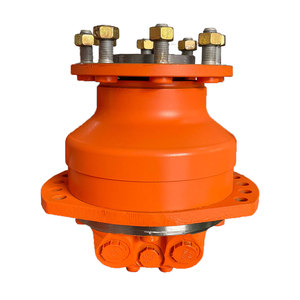
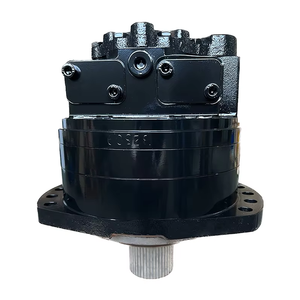
Core Mechanism: Multi-piston cam lobe radial design (e.g., MSE02, M10/M5 Series) generating immense volumetric displacement and smooth low-speed rotation without cogging.
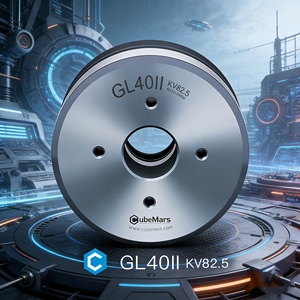
Core Mechanism: High-coercivity Neodymium-Iron-Boron (NdFeB) rotor magnets coupled with multi-pole stator windings (e.g., Cubemars GL Series, OMPM series).
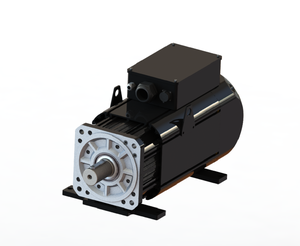
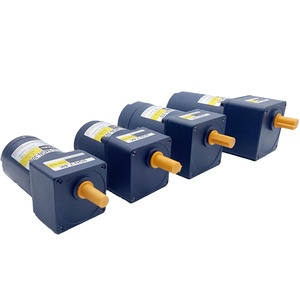
Core Mechanism: Heavy-duty brushless AC servomotors combined with integrated high-precision planetary gearheads (e.g., 37KW 353Nm Servo, GEM Planetary drives).
Saudi Arabia’s unique geographical, climatic, and industrial characteristics demand tailor-made LSHT drive configurations. Below is an evaluation of operational environments where OME Motors and specialized LSHT drives deliver high information gain and performance reliability:
Locations: Jubail, Yanbu, Ras Tanura (Saudi Aramco & SABIC Facilities)
Petrochemical refineries require LSHT motors for driving heavy mud pumps, crude oil mixers, and flameproof valve positioners. In these Zone 1 and Zone 2 hazardous areas, motors must possess ATEX/IECEx explosion-proof certification (Ex d IIB/IIC T4 Gb), equipped with cast-iron flameproof housings to prevent internal ignition propagation caused by volatile hydrocarbon vapours.
Locations: Wa’ad Al Shamal, Ras Al Khair (Ma’aden Operations)
Saudi Arabia’s expanding phosphate, gold, and bauxite extraction industries subject equipment to massive shock loads and heavy airborne dust. Radial piston hydraulic motors and heavy-duty planetary gear drives provide high torque at low shaft speeds for rotary kilns, apron feeders, and ore crushers without risking gear teeth shearing during unexpected mechanical jams.
Locations: SWCC Plants in Jubail, Jeddah, Yanbu, Al Khobar
Providing potable water in KSA relies on high-pressure seawater reverse osmosis. LSHT drives power massive brine discharge control valves, sludge thickeners, and chemical dosing pumps. Corrosion resistance is achieved through C5-M marine-grade epoxy coatings, duplex stainless steel shafts, and specialized viton shaft seals resistant to saline degradation.
Locations: NEOM, The Line, Red Sea Project, Qiddiya
Giga-projects rely heavily on low-power, ultra-compact LSHT actuators (such as Brushless PM Gimbal motors and planetary micro-drives) for kinetic solar architectural facades, autonomous security surveillance gimbals, underground utility duct robotics, and localized HVAC airflow dampening.
Locations: Riyadh, Dammam, Rabigh Industrial Areas
Cement plant clinker coolers, raw material belt conveyors, and steel rebar rolling mills subject drives to continuous 24/7 duty in ambient heat reaching +50°C. Heavy AC servo and high-voltage LSHT motors ensure thermal stability via external forced-air cooling fans (IC416) and embedded PT100 winding sensors.
Locations: Al-Jouf, Qassim, Tabuk Agricultural Zones
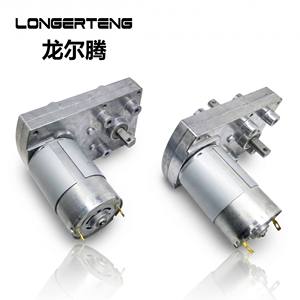
Center-pivot irrigation systems require low-cost, high-torque DC gear motors and planetary gear reducers to drive heavy wheeled towers slowly across sandy terrain while enduring direct solar UV radiation and sandstorms.
B2B procurement managers and engineering contractors in Saudi Arabia are enforcing stricter technical criteria when evaluating foreign motor factories and local suppliers. Key macro trends shaping procurement decisions include:
All industrial motors imported into KSA must comply with the Saudi Standards, Metrology and Quality Organization (SASO) energy efficiency regulations. Clearance through the SABER platform requires valid Certificate of Conformity (CoC) documentation, energy efficiency labeling, and adherence to SASO IEC standards.
Standard motor nameplate ratings assume a maximum ambient temperature of +40°C. In Saudi Arabia, outdoor summer ambient temperatures frequently exceed +50°C, with direct sunlight heating motor housings above +65°C. Factory engineering must calculate thermal derating factors, utilizing Class H (180°C) or Class N (200°C) insulation systems with VPI (Vacuum Pressure Impregnation).
In line with Industry 4.0 initiatives in Saudi Arabia's smart factories, LSHT motors are increasingly integrated with vibration sensors, bearing thermal probes, and wireless IoT transmitters. This enables plant operators in Jubail and Dammam to detect bearing fluting or oil degradation prior to catastrophic failure.
Addressing common technical, logistical, and regulatory questions from Saudi Arabian engineering teams, EPC contractors, and procurement departments.
With over 50 years of Italian electromechanical engineering heritage, OME Motors (O.M.E. Motori Elettrici s.r.l.) combines European precision manufacturing with global distribution capability. Our commitment to Saudi industrial clients is grounded in technical superiority, customization agility, and uncompromising quality standards.
Inheriting the century-long tradition of Elettrotecnica H. Orsatti, our manufacturing hubs in Gussago and Nuvolera (Brescia, Italy) produce world-class electric and hydraulic drives exported to over 100 countries.
Full compliance with international standards including ISO 9001, ATEX, IECEx, UL, CSA, GOST, and SASO. Every motor undergoes rigorous routine and type testing prior to factory dispatch.
Tailored shaft dimensions, custom mounting flanges (SAE/ISO), specialized terminal box orientations, anti-condensation heaters, and custom paint finishes designed for extreme Gulf environments.
Trusted by global enterprise leaders including ArcelorMittal, ENI, Shell, Samsung, Torishima, KSB, Thyssenkrupp, and Lafarge for heavy-duty industrial drive applications.
Partner with an authoritative LSHT motor manufacturer. Contact our engineering team today to review your project specifications, CAD drawings, thermal requirements, or SASO compliance needs.