Certified electric drive solutions engineered with enhanced thermal dissipation, IP65 protection, and continuous duty cycles under extreme thermal stress.
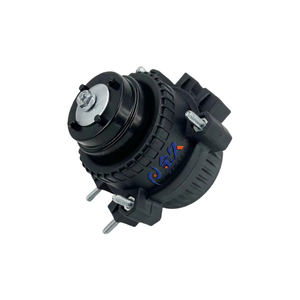
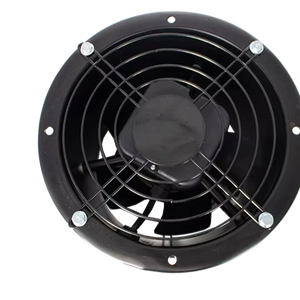
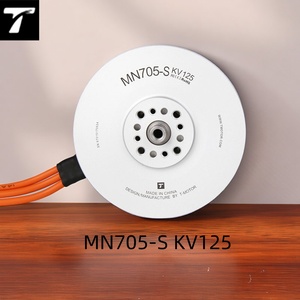
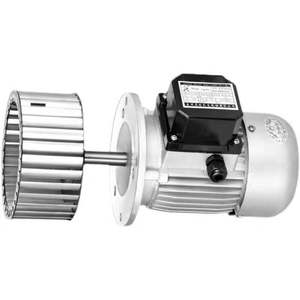
The Czech Republic stands as one of Central Europe’s most robust industrial powerhouses. Driven by heavy automotive manufacturing around Mladá Boleslav and Kvasiny, world-renowned Bohemian glass kilns, metallurgical complexes in Ostrava and Třinec, and extensive chemical processing units in North Bohemia (Litvínov), the demand for continuous-duty electromechanical drives capable of sustaining extreme ambient temperatures has reached an unprecedented peak.
Operating electric motors in elevated thermal environments (ambient temperatures ranging from 60°C to exceeding 200°C) presents severe electromechanical stress factors. Standard industrial electric motors suffer rapid insulation breakdown, bearing grease liquefaction, rotor thermal expansion, and catastrophic demagnetization of permanent magnets when exposed to unmitigated heat. To ensure operational continuity, reduce total cost of ownership (TCO), and fulfill strict European EcoDesign directives, plant engineers must specify motors engineered with advanced Class H (180°C) or Class C (200°C+) insulation systems, specialized synthetic lubricants, and heat-stabilized magnetic alloys.
Key Engineering Takeaway: For every 10°C rise above an electric motor’s rated insulation temperature limit, the thermal life expectancy of the stator insulation is cut in half. Utilizing Class H insulated windings with Class F temperature rise allowances provides a safety margin of over 40,000 continuous operating hours in harsh Czech industrial environments.
Deployment of high-temperature electric drives across Czech manufacturing regions requires a nuanced understanding of localized environmental stress factors:
A. Automotive Paint & Foundry Lines (Central Bohemia & Moravia): Modern automotive foundries and heat-treatment ovens require ventilation and pump motors capable of enduring ambient temperatures between 80°C and 140°C. In curing tunnels, motors driving circulation fans must maintain constant speed under VFD control without thermal derating or insulation degradation caused by high-frequency voltage spikes (dV/dt effects).
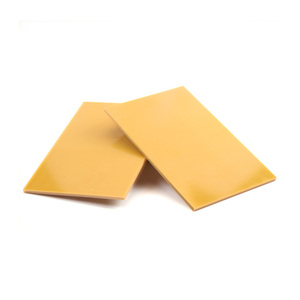
B. Glass Kilns & Annealing Lehrs (Moravia & Jablonec nad Nisou): Bohemian glass production relies on continuous annealers operating at ambient temperatures upwards of 180°C. Electric motors integrated into cooling blowers and exhaust ducts require long-axis extensions, heat dissipation fins, and Class C inorganic insulation materials such as EPGM203 fiberglass and mica tape composites.
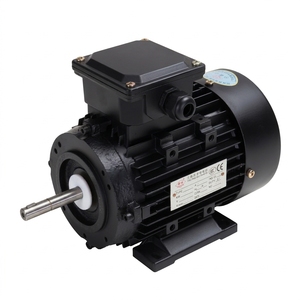
C. Metallurgical Plants & Steel Mills (Ostrava Region): Blast furnace auxiliary equipment, hot rolling mill roller tables, and slag handling mechanisms subject electric motors to extreme radiant heat, conductive thermal transfer through mounting flanges, and conductive airborne dust. Flange-mounted all-copper three-phase induction motors with cast-iron frames are mandated to resist thermal deformation and structural warping.
To withstand extreme thermal stress, high-temperature motors replace standard organic insulation with advanced composite materials. The table below outlines the insulation classification standards governing industrial drive selection for Czech buyers:
| Insulation Class | Max Allowed Temp (°C) | Hot Spot Allowance (°C) | Primary Insulation Materials | Typical Czech Application |
|---|---|---|---|---|
| Class B | 130°C | 10°C | Modified Polyester, Mylar | Standard HVAC & Light Manufacturing |
| Class F | 155°C | 10°C | Polyesterimide, Glass Fiber | General Industrial Pumps & Blowers |
| Class H | 180°C | 15°C | Aramid Paper (Nomex®), Polyimide, Silicone Varnish | Oven Recirculation Fans, Automotive Paint Lines |
| Class C | > 200°C | 25°C | Mica Tape, EPGM203 Fiberglass, Ceramic Matrix | Glass Kilns, Steel Mill Roller Tables, Exhaust Ducting |
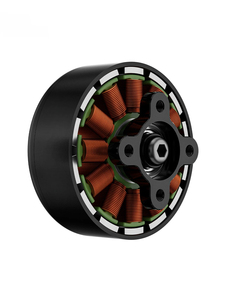
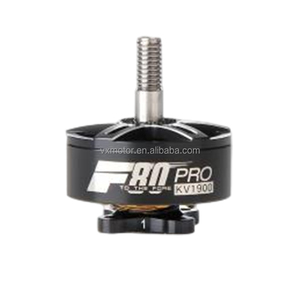
For high-power brushless DC motors and drone propulsion systems used in industrial thermal inspection (such as the 5315 420KV and F80 PRO models), high ambient temperatures risk causing irreversible demagnetization of NdFeB (Neodymium Iron Boron) permanent magnets. Standard NdFeB magnets begin losing magnetic flux density rapidly above 80°C.
To overcome this limitation, premium high-temperature brushless motors utilize UH (Ultra-High) or EH (Extra-High) grade NdFeB or SmCo (Samarium Cobalt) magnets rated for operation up to 220°C. Furthermore, titanium alloy shafts are implemented due to their exceptionally low coefficient of thermal expansion, ensuring bearing alignment and air-gap integrity even when subjected to severe thermal cycling.
Decarbonization & EcoDesign Directive Compliance: In alignment with EU Regulation 2019/1781, Czech manufacturing facilities are rapidly phasing out low-efficiency electric drives. Purchasing departments now mandate IE3 (Premium Efficiency) and IE4 (Super Premium) ratings even for custom high-temperature motors. This requires manufacturers to optimize copper slot fill ratios, utilize low-loss silicon steel laminations, and reduce windage losses without compromising heat dissipation surface area.
Condition Monitoring & Predictive Maintenance Integration: High-temperature drives deployed in hard-to-access industrial environments across Moravia are increasingly specified with integrated PT100/PTC thermistors in stator windings and vibration monitoring ports on bearing endshields. Real-time telemetry allows Czech plant operators to detect early bearing lubricant degradation long before catastrophic motor failure occurs.
Combining over 50 years of electromechanical heritage with cutting-edge customization capabilities for Central Europe's most demanding supply chains.
Originating from rich Italian electromechanical design traditions, our motors combine refined thermal dynamics engineering with robust structural durability proven in worldwide heavy industries.
From extended shafts, special B5/B14 flanges, to custom winding voltages and Class C vacuum pressure impregnation (VPI), we engineer motors tailored precisely to OEM machinery specs.
Fully compliant with CE, RoHS, ISO 9001, ATEX, and IECEx directives, ensuring smooth clearance and regulatory peace of mind for industrial installations throughout the Czech Republic and the EU.
Technical clarity on insulation selection, thermal derating calculations, lead times, and regulatory compliance for Central European orders.