Italian Electromechanical Engineering • 50+ Years Expertise

Top Trusted Wound Rotor High Voltage Motors Factory & Supplier

High-Torque Slip Ring Electric Motors (3.3kV – 13.8kV) Designed for Heavy Industrial Duty, Low Starting Current, and Harsh Environmental Resilience. Certified to IEC, ATEX & ISO Standards.

Industrial Product Portfolio

High-Efficiency & Custom Motor Showcase

Explore our foundational range of premium asynchronous, explosion-proof, and high-efficiency standard and custom-engineered industrial motors.
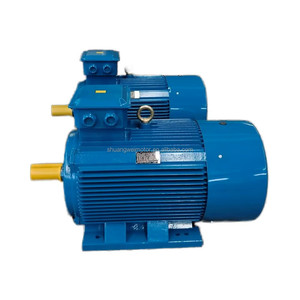
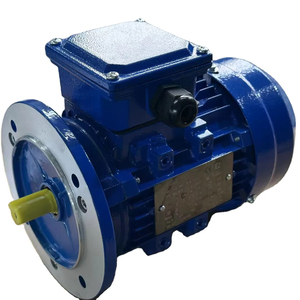
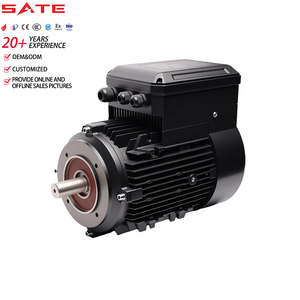
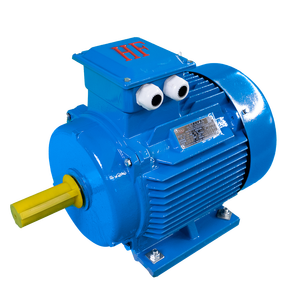
Electric Motor YE3-112M-4 IE3 Electric Motor 4kw
Contact Us
15KW 20HP IE4 Super Premium Efficiency Motor
15KW 20HP IE4 Super Premium Efficiency 3-Phase Asynchronous Motor 380V
Contact Us
Factory Direct Sale IE4 Series Motor 2.2kw
Factory Direct Sale IE4 Series Super Premium Motor B3/B35/B5 2.2kw
Contact Us
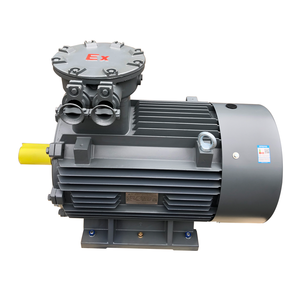
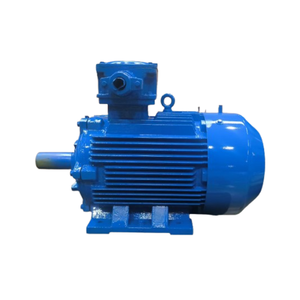
IE3/IE4 ExdIIBT4 Explosion-proof AC Electric Motor
IE3/IE4 ExdIIBT4 Explosion-proof AC Industrial Flame Proof Motor
Contact Us
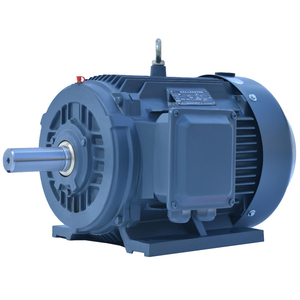
High Efficiency IE4 Electric Motor 7.5kW 10hp
High Efficiency IE4 Electric Motor 7.5kW 10hp 6 Poles 100% Copper
Contact Us
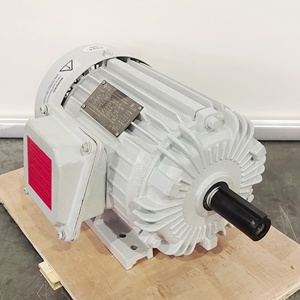
NEMA Premium Efficiency IE4 1 hp Heavy Duty Electric Motor
NEMA Premium Efficiency IE4 1 hp 230/460V 1800RPM Heavy Duty Motor
Contact Us
IE5 High Efficiency 4kW Integrated Motor
IE5 High Efficiency 4kW Integrated Motor Energy Saving 380V
Contact Us
High Efficiency IE4 Permanent Magnet Motor 5kW
High Efficiency IE4 Permanent Magnet Synchronous Motor 5kW IP55
Contact Us
50+
Years Manufacturing Heritage
13.8kV
Max Voltage Capacity
250%
Locked Rotor Torque Capabilities
100+
Global Export Markets
European Engineering Heritage

Why Partner With Our High Voltage Motor Manufacturing Plant?

Building upon over five decades of electromechanical excellence inherited from European engineering traditions (operating primary production facilities in Gussago (Brescia), Italy and certified global manufacturing hubs), our organization is recognized as a premier OEM/ODM manufacturer of industrial electric motors. We specialize in solving severe heavy-load starting challenges across mining, cement, power generation, and metallurgical sectors.

Custom High Voltage Engineering

Every wound rotor motor is tailored to exact load inertias. From frame size adjustments (355mm to 1000mm) to custom shaft extensions and voltage configurations (3.3kV, 6.6kV, 10kV, 11kV, up to 13.8kV), we ensure seamless drop-in replacement or project integration.

Vacuum Pressure Impregnation (VPI)

Utilizing Class H and Class F thermal insulation systems treated with advanced solventless epoxy resin via VPI processing. Ensures zero partial discharge, high dielectric strength, and immunity against moisture, chemical vapors, and dust accumulation.

Global Certification & Compliance

Fully compliant with international testing and safety protocols, including IEC 60034 series, ISO 9001 quality management, ATEX/IECEx explosion-proof ratings (OMEX series), and North American NEMA MG-1 specifications.

Technical Engineering Whitepaper

Principles of Wound Rotor (Slip Ring) High Voltage Motors

High voltage wound rotor induction motors—commonly referred to as slip ring motors (IEC frames OMA, OMVK, and OMVKS series)—are engineered specifically for applications demanding maximum starting torque with minimum starting current. Unlike standard squirrel-cage induction motors, which draw starting currents up to 6 to 7 times their full-load current (FLC), slip ring motors regulate current via an external rotor resistance system connected through heavy-duty slip rings and carbon brushes.

During startup, an external resistor—such as a Liquid Resistance Starter (LRS)—is connected to the rotor circuit. This increases the total rotor resistance, shifting the motor's maximum torque point (pull-out torque) to zero speed. As a result, the motor can deliver up to 250% rated torque while limiting inrush current to less than 150-200% FLC. This crucial characteristic prevents severe voltage dips across industrial microgrids and protects utility transformers from thermal stress.

  • Optimized Thermal Reserve: Stator and rotor windings designed to handle repetitive heavy startup duty cycles without insulation degradation.
  • Automatic Brush Lifting Mechanism (Optional): Mechanically short-circuits the slip rings and lifts carbon brushes off the rings once operating speed is reached, dramatically eliminating brush wear and maintenance overhead.
  • Flexible Cooling Methods: Available in IC01 (open ventilated IP23), IC411 (totally enclosed fan-cooled IP55), IC611 (air-to-air heat exchanger IP55), and IC81W (air-to-water heat exchanger IP55).

Core Electromechanical Specifications

Rated Voltage Range: 3,000V to 13,800V (3.3kV, 6.6kV, 10kV, 11kV)
Power Output Ratings: 200 kW to 20,000 kW (20 MW)
Number of Poles: 4, 6, 8, 10, 12, up to 16 Poles
Insulation / Temp Rise: Class H Insulation / Class B Temp Rise
Enclosure Protection: IP23, IP54, IP55, IP56
Bearing Types: SKF/NSK Antifriction or Sleeve Bearings
Vibration Severity: Grade A (ISO 10816-1 Compliant)
Decision Support Matrix

Wound Rotor HV Motor vs. Squirrel Cage Motor with VFD

Selecting the optimal drive topology for heavy equipment requires evaluating capital expenditure (CAPEX), operating expenditure (OPEX), environmental resilience, and grid infrastructure limits.

Evaluation Parameter Wound Rotor HV Motor + Liquid Starter (LRS) Squirrel Cage HV Motor + Medium Voltage VFD
Starting Torque Capability Exceptional (200% - 250% FLC) at lowest current draw Moderate to High (150% - 200%), depends on VFD rating
Inrush Current Impact Extremely Low (1.2x - 1.5x Full Load Current) Very Low (1.0x - 1.2x Full Load Current)
Initial Capital Cost (CAPEX) Substantially Lower (30-40% savings) High (Expensive MV Inverter transformers & active front-end)
Grid Harmonics (THD) Zero Harmonics Generated (Pure Sine Wave) Requires Active Harmonic Filters (THD 3% to 8%)
Harsh Environment Reliability Superior; passive external LRS handles dust & ambient heat Sensitive cleanroom HVAC required for MV VFD electronics
Speed Regulation Fixed speed (or step-wise speed control via rotor resistance) Continuous variable speed regulation (0-100%)
Market Intelligence

Future Procurement & Technology Development Trends (2026–2030)

As global industrial infrastructure modernizes under carbon neutrality goals and operational efficiency mandates, high voltage wound rotor procurement is shifting rapidly towards smarter, more durable electromechanical solutions.

1. IoT Integrated Predictive Maintenance

Next-generation slip ring motors are equipped with integrated Wireless Vibration Monitoring (tri-axial accelerometers), stator winding Pt100 RTD sensors, and brush chamber temperature/humidity detectors. Real-time data streams to cloud dashboards to predict carbon brush wear and rotor ring pitting before catastrophic failures occur.

2. Zero-Maintenance Auto Brush Lifts

Plant operators are increasingly mandating automatic motorized brush-lifting and short-circuiting devices. By shorting the rotor windings internally after startup and disengaging brushes from contact, routine maintenance intervals extend from 3,000 hours to over 25,000 hours.

3. Extreme-Altitude & Desert Customization

With major mining expansion occurring in South American high-altitude Andes (altitudes >4,000m) and Middle Eastern desert environments, procurement specifications now emphasize ambient temperatures up to +55°C, customized derating insulation, and IP66 dust-proof slip ring housing enclosures.

Industrial Footprint

Heavy-Duty Applications for High Voltage Slip Ring Motors

Our wound rotor high voltage motors are operational across demanding global industrial infrastructure installations.

Cement & Building Materials

  • Raw Mills & Ball Mills
  • Cement Kiln Main Drives
  • Clinker Crusher Machinery

Conquers immense initial breakaway friction without overheating supply transformers.

Mining & Mineral Processing

  • SAG & AG Grinding Mills
  • Heavy Jaw & Cone Crushers
  • Long-Distance Overland Conveyors

Engineered for high shock loads, heavy dust concentrations, and continuous 24/7 duty cycles.

Metal & Steel Metallurgy

  • Hot Rolling Mill Stand Drives
  • Blast Furnace Blowers
  • Metal Shredder Systems

Provides robust thermal reserve and extreme pull-out torque capabilities under sudden load spikes.

Procurement Guidance

Frequently Asked Questions (FAQ) for Motor Procurement

What information is required to receive an exact technical quotation for a wound rotor high voltage motor?
To provide an accurate technical bid and motor drawing, please specify: 1) Output Power rating (kW or HP), 2) Stator Voltage and Frequency (e.g., 6.6kV / 50Hz), 3) Speed / Number of Poles (e.g., 990 RPM / 6 Poles), 4) Driven machine load inertia (J_load in kg·m²), 5) Cooling method (IC01, IC411, IC611, IC81W), 6) Ingress Protection rating (IP23, IP55), and 7) Ambient site conditions (altitude, temperature).
How does a slip ring motor differ from a standard squirrel-cage motor during startup?
A squirrel-cage motor has a fixed low rotor resistance, drawing 600-700% full-load current while generating only 100-150% starting torque. A wound rotor slip ring motor allows external resistance insertion into the rotor circuit via slip rings. This matches rotor resistance to slip at standstill, producing up to 250% starting torque with an inrush current of only 150-200% full-load current.
What are the recommended maintenance routines for carbon brushes and slip rings?
Routine maintenance includes inspecting carbon brush length, checking spring pressure (typically maintained between 18-22 kPa), cleaning carbon dust buildup from brush holders using dry compressed air, and verifying slip ring surface concentricity. For facility owners wishing to eliminate routine brush maintenance, we supply motors with integrated automatic motorized brush-lifting mechanisms.
Can OME High Voltage Motors replace legacy motors from other manufacturers?
Yes. Our engineering team specializes in mechanical and electrical drop-in retrofits. We custom-fabricate transition baseplates, match historical shaft center heights (H-dimensions), align shaft extension dimensions, and position terminal boxes to match existing plant cabling without requiring expensive civil foundation modifications.
What insulation class and temperature rise standards are applied during manufacturing?
All OME high voltage wound rotor motors feature Class H insulation systems incorporating high-purity mica tapes and solventless epoxy resins applied via Vacuum Pressure Impregnation (VPI). Motors operate strictly within Class B temperature rise limits (under 80K rise), providing a generous 30°C thermal margin that significantly prolongs winding operational lifespan.
What factory acceptance testing (FAT) is performed prior to delivery?
Every high voltage motor undergoes complete Routine Testing according to IEC 60034-1 standards before dispatch. Tests include: Winding Resistance measurement, Insulation Resistance & Polarization Index (PI) test, High-Voltage Dielectric test, No-Load Current & Losses measurement, Vibration Analysis, and Rotor Over-speed testing. Full Type Test reports (including full-load thermal heat runs) can be witnessed by client inspection agencies (SGS, BV, TUV).
Global Engineering Support

Request a Custom Technical Proposal & Motor Specification Sheet

Our technical engineering team in Italy and international sales office are prepared to evaluate your project requirements, load calculations, and structural dimensions to deliver optimized high voltage electric motor solutions.