
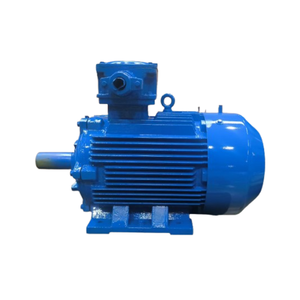
Heavy-duty, energy-optimized 3-phase asynchronous and permanent magnet synchronous motors customized for harsh paper mill environments.
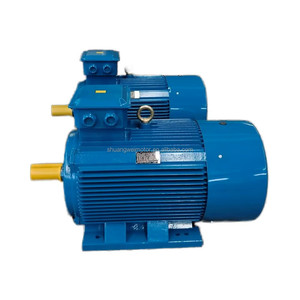
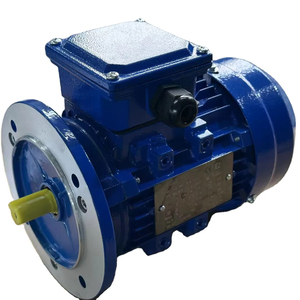
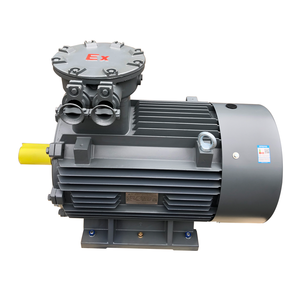
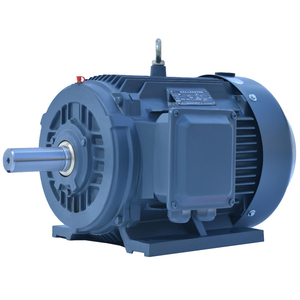
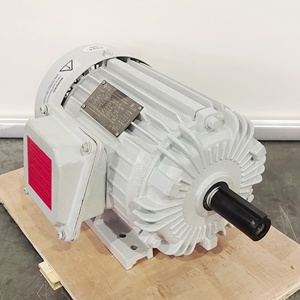
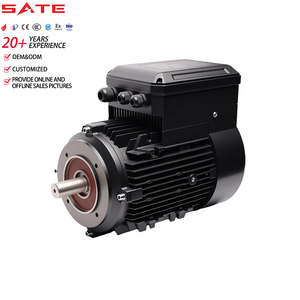
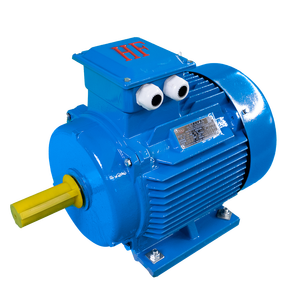
An authoritative engineering breakdown on motor selection, life-cycle costs, and severe-duty protection for pulp, paper, and paperboard processing facilities.
The manufacture of pulp, paper, and containerboard presents one of the most mechanically and environmentally rigorous operating landscapes in modern heavy industry. Continuous process lines—often running 24 hours a day, 365 days a year—demand absolute motor reliability. Equipment failure at critical processing stages such as the woodyard chipper, chemical pulper, refiner, or paper machine press section can trigger downtime costing tens of thousands of dollars per hour.
Electric motors deployed in pulp and paper manufacturing are subjected to a brutal combination of environmental stressors:
Technical Insight for Plant Engineers: In continuous pulp refining operations, a efficiency drop of just 1.5% in a 250kW motor operating 8,400 hours annually translates to over $4,800 in wasted power per unit. Upgrading from standard IE2/IE3 asynchronous drives to IE4 Super Premium or IE5 Permanent Magnet Synchronous Motors yields a full ROI within 8 to 14 months of continuous duty.
Matching the correct motor topology to specific paper processing machinery is paramount for achieving operational uptime, energy efficiency, and compliance with global safety standards (IEC, ATEX, NEMA, CE).
| Paper Mill Process Area | Recommended Motor Series | Efficiency Standard | Protection & Insulation | Key Mechanical Feature |
|---|---|---|---|---|
| Debarking & Woodyard Chippers | YE3 / IE4 Heavy-Duty Cast Iron | IE3 / IE4 (94.5% - 96.2%) | IP55 / Class F (Temp Rise B) | Heavy-duty forged steel shaft, SKF/NSK re-greasable bearings |
| Hydrapulpers & Stock Digesters | IE4 High Torque 6-Pole / 8-Pole | IE4 Super Premium | IP65 / Class H Tropicalized | VFD rated insulation, Class H vacuum pressure impregnation (VPI) |
| Disc Refiners & Deflakers | IE5 Permanent Magnet Synchronous (PMSM) | IE5 Ultra Premium (>97.0%) | IP55 / IP65 Waterproof | High torque density, direct drive capability (eliminates gearbox) |
| Bleaching & Liquor Recovery (Ex Zones) | ExdIIBT4 / ExdIICT4 Flameproof | IE3 / IE4 Explosion-Proof | IP66 Explosion Proof / ATEX | Flameproof enclosure, labyrinth shaft seals, non-sparking fan |
| Paper Machine Wet End (Forming/Press) | IE4 Cast Iron Sealed Asynchronous | IE4 Super Premium | IP66 Washdown / Stainless Hardware | Double-lip VITON oil seals, anti-corrosion C5-M epoxy finish |
| Dryer Section & Calendar Drives | High-Temp Insulation IE4 / IE5 Motors | IE4 / IE5 Integrated Drive | IP55 / Class H High-Temp | Insulated non-drive end (NDE) bearings to prevent shaft currents |
Building upon over five decades of electromechanical engineering heritage—originating from Italian design excellence—our motor manufacturing processes combine precision metallurgy with advanced automation. Every motor engineered for the pulp and paper industry undergoes stringent testing in accordance with IEC 60034-1 standards.
Tailored shaft extensions (NEMA/IEC standard or non-standard metric), custom flange mountings (B3, B5, B35, V1), and multi-position terminal box configurations for retrofitting legacy paper machines without structural modifications.
Utilizing high-performance Viton seals, cast-iron bearing covers, and IP66 labyrinth sealing options that prevent process water, pulp slurry, and corrosive chemicals from penetrating winding chambers.
Reinforced magnetic copper wire rated for 200°C thermal spikes, featuring corona-resistant phase insulation designed to endure steep dV/dt voltage spikes generated by modern PWM frequency converters.
As global paper, packaging, and tissue manufacturers face stringent carbon-neutral mandates and escalating electricity prices, procurement strategies are shifting from initial capital expenditure (CapEx) focus to Total Cost of Ownership (TCO) optimization. Key technology trends shaping the paper mill motor landscape include:
Direct drive Permanent Magnet Synchronous Motors (PMSM) are replacing traditional induction motor and gearbox assemblies in paper machine section drives and rewinders. By eliminating gear friction losses, mills achieve 4-8% total line efficiency gains while drastically reducing oil leak contamination risks.
Modern paper industry motors are equipped with integrated PT100 temperature sensors in windings/bearings, along with wireless tri-axial vibration sensors. This enables predictive maintenance algorithms to detect bearing pitting or shaft misalignment weeks before catastrophic failure occurs.
With 85%+ of motors in modern paper mills controlled by Variable Speed Drives (VFDs), shaft voltage buildup poses a constant threat to bearing raceways via electrical discharge machining (EDM). Standard installation of conductive shaft grounding rings and insulated NDE bearings guarantees 100,000+ hour bearing lifespans.
Leading global paper mill groups require motor suppliers to certify 100% electrolytic copper wire usage and high-grade cold-rolled silicon steel laminations (M270/M330 grade). Lower magnetic hysteresis losses keep frame temperatures up to 15°C cooler, doubling grease life.
Direct answers to critical technical questions asked by paper industry plant engineers and purchasing directors.
For wet-end forming, wire, and press sections, IP65 is the baseline recommendation, while IP66 is optimal. IP66 completely seals the motor against heavy sea-like water jets and fine pulp fibers, preventing winding short-circuits during washdown routines.
Over a standard 15-year operational lifespan, electricity consumption accounts for roughly 95% to 97% of an industrial motor's total cost of ownership (purchase, installation, maintenance, and power). Upgrading to IE4 or IE5 reduces energy usage by 2% to 5%, yielding cumulative savings up to 10x the motor's initial purchase price.
Chemical pulping processes—such as Kraft pulping and bleaching towers—utilize volatile organic chemicals, chlorine gas, methanol, and turpentine byproducts. ATEX/IECEx certified ExdIIBT4 or ExdIICT4 motors contain internal explosions and prevent surface temperatures from igniting surrounding flammable vapors or wood dust accumulation.
Yes. Our IE4 and IE5 Permanent Magnet Synchronous Motors are constructed with standardized IEC (e.g., 112M, 132S, 160L, 280M) and NEMA frame dimensions. They drop into existing mounting foot (B3) or flange (B5/B35) footprints without mechanical redesign, requiring only a compatible VFD for synchronous drive control.
Consult with our senior application engineers to obtain custom motor datasheets, 3D CAD models, factory-direct pricing, and comprehensive energy audits tailored to your paper processing plant.