Precision-engineered explosion-proof, IE3/IE4/IE5 super premium efficiency, and permanent magnet synchronous motors.
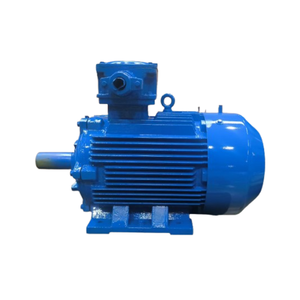
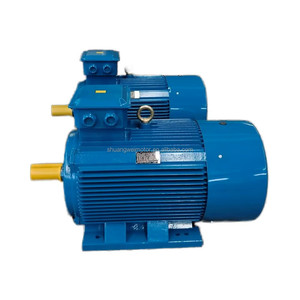
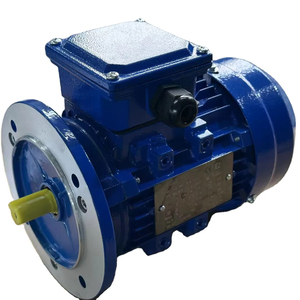
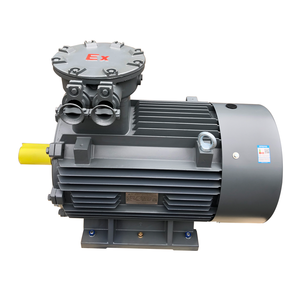
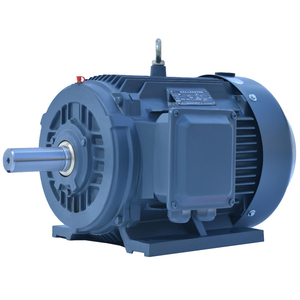
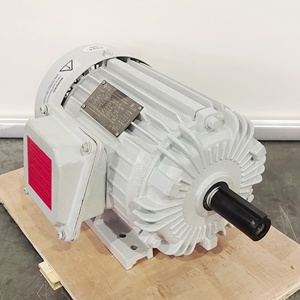
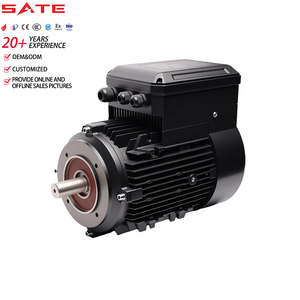
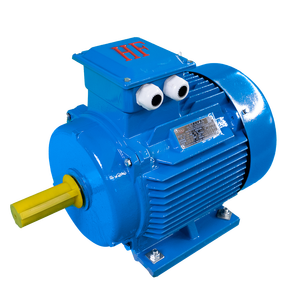
In modern process industries—spanning petrochemical refining, offshore gas extraction, chemical synthesis, grain storage, and pharmaceutical processing—electrical equipment operates under constant exposure to potentially explosive atmospheres. Operating electric motors in these environments demands uncompromised structural integrity, precise thermal management, and strict compliance with international safety codes.
Class I, Division 2 locations represent industrial environments where flammable gases, vapors, or liquids are handled, processed, or used, but where hazardous concentrations are normally confined within closed systems or are present only under abnormal operating conditions. Selecting a certified Class I Division 2 motor factory and exporter requires understanding electromechanical design, insulation integrity, non-sparking architecture, thermal risk mitigation, and regulatory compliance across North American (NEC 500/505) and European (ATEX/IECEx Zone 2) standards.
Key Technical Takeaway: Class I Division 2 motors rely on non-sparking performance ("Ex ec" or historic "Ex nA"), controlled surface temperature limits (T1-T6), non-arcing insulation systems, and hermetically sealed junction enclosures to ensure zero ignition capability during continuous duty.
Unlike flameproof/explosion-proof enclosures designed for Division 1 (Ex d) environments—which are built to contain internal explosions and quench emerging flames—Division 2 motors emphasize ignition prevention. By maintaining structural safeguards against arcing, hot spots, static discharge, and insulation breakdown, Division 2 motors offer an economical, highly efficient, and light-weight solution for hazardous area operations.
The core philosophy of Class I Division 2 motor construction rests on eliminating any electrical arc or hot spark during normal operation:
In hazardous environments, an electric motor's maximum surface temperature must remain strictly below the auto-ignition threshold of surrounding flammable gases. Motors undergo extensive thermal characterization testing to certify their Temperature Code:
| Temperature Code (T-Class) | Max Permissible Surface Temp (°C) | Target Gas / Vapor Atmosphere Examples |
|---|---|---|
| T1 | 450°C | Methane, Hydrogen, Town Gas |
| T2 | 300°C | Ethanol, Ethylene, Acetone, Ammonia |
| T3 | 200°C | Gasoline, Diesel Fuel, Kerosene, Jet Fuel |
| T4 | 135°C | Acetaldehyde, Ethyl Ether, Process Chemicals |
| T5 / T6 | 100°C / 85°C | Specialized Volatile Organics & Silanes |
For international procurement engineers, cross-border compliance presents a frequent hurdle. While North America traditionally follows the National Electrical Code (NEC Article 500 Division system), global trade increasingly leverages the IEC 60079 Zone classification system (NEC Article 505 / ATEX Directive 2014/34/EU).
Class I, Division 2 directly corresponds to ATEX / IECEx Zone 2 (Equipment Protection Level Gc). Under standard operational conditions, flammable gases are unlikely to occur, or if present, will exist only for short durations. Our manufacturing facility produces dual-certified motors that harmonize both framework standards:
Leveraging over 50 years of industrial electromechanical manufacturing heritage, our factory combines Italian engineering principles with automated mass-production efficiency. Every motor leaving our assembly lines undergoes rigorous Quality Assurance protocols under ISO 9001 and ISO 14001 certification frameworks.
Utilizing high-grade copper magnet wire with double enamel coating. Lower winding resistance minimizes internal thermal dissipation, boosting overall operating efficiency to IE4 and IE5 levels.
Equipped with precision-machined cast iron end-shields, oil seals, and labyrinth IP66 dust-tight and water-jet resistant enclosures to prevent ingress of hazardous ambient contaminants.
Designed to withstand high pulse-voltage spike amplitudes (dV/dt) up to 1600V per IEEE 841 standards, preventing premature insulation erosion when driven by frequency converters.
As global industries transition toward net-zero carbon emissions and digitalized plant operations, industrial electric motor procurement is undergoing a paradigm shift. B2B procurement managers and EPC project engineers must evaluate several key trends when specifying motor fleets:
Electric motors account for over 70% of total electrical energy consumed in heavy industrial facilities. International energy efficiency regulations—such as EU EcoDesign Directive (EU) 2019/1781—are mandating higher minimum energy performance standards (MEPS). Procurement strategies are shifting focus from initial capital expenditure (CAPEX) to Total Cost of Ownership (TCO), where electricity cost accounts for over 90% of a motor's 20-year lifecycle expense.
Permanent Magnet Synchronous Motors (PMSM): Integrating IE4 and IE5 PMSM units delivers up to 97% efficiency even at partial load conditions, providing massive energy savings for variable-torque centrifugal pump and fan applications in continuous operation environments.
Modern Class I Division 2 motors are increasingly ordered with pre-drilled, intrinsically safe (Ex ia) sensor ports for tri-axial vibration monitoring, wireless bearing thermistors (PT100/RTC), and magnetic flux sensors. Real-time predictive health analytics enable plant engineers to detect micro-bearing wear or phase imbalance weeks before catastrophic failure occurs, eliminating unscheduled downtime in refinery operations.
Exploration projects are moving into harsher geographic regions. Future procurement contracts heavily specify motors rated for ambient temperatures ranging from -50°C (Arctic LNG terminals) to +60°C (Desert processing facilities), requiring specialized synthetic lubricants, low-temperature steel casings, and customized thermal derating calculations.
The manufacturing technology driving explosion-proof and non-sparking motors has advanced significantly over the last decade:
Below are technical answers to common questions faced by plant managers, electrical engineers, and procurement officers when sourcing Class I Division 2 motors:
As a premier manufacturing enterprise and global exporter, our facility bridges high-volume standard motor production with custom-engineered solutions for specialized OEM machinery. Our operational strengths include:
Request technical datasheets, full 3D CAD models, or custom quotation proposals for your Class I Division 2 & hazardous location electric motor requirements.