In-depth technical guides, engineering standards, industry trends, and practical updates from our European electric motor specialists.
China Top 10 Explosion Proof NEMA Motors Suppliers? This question deserves more than a supplier list. Explosion-Proof NEMA Motors must match the hazardous location, motor load, voltage, temperature code, enclosure design, and maintenance plan. A catalog photograph cannot confirm those details.
Tom Bishop, P.E., a respected motor-reliability specialist and EASA technical expert, has emphasized, “The key to successful motor repair is to maintain the original design characteristics.” That principle also applies when selecting new motors. A reliable supplier should provide clear nameplate data, certification records, dimensional drawings, test reports, and traceable quality documentation. Buyers should also examine factory experience, winding capability, bearing control, paint protection, and after-sales support. Small details matter. A missing certificate can delay an entire project.
This introduction examines ten China-based suppliers through practical purchasing criteria, not advertising claims. It considers NEMA frame compatibility, hazardous-area certifications, thermal performance, enclosure protection, customization, delivery discipline, and technical communication. Suppliers serving chemical plants, oil terminals, grain facilities, and manufacturing sites may have different strengths. The “best” option depends on the application.
A polished website proves little. Independent verification remains necessary. Even this approach has limits, because certifications and product ranges can change. Readers should confirm current approvals with the manufacturer and the relevant inspection body before ordering. Experience suggests that the cheapest quotation is rarely the lowest-risk choice. A dependable Explosion-Proof NEMA Motors supplier explains limitations clearly, answers technical questions precisely, and supports the motor after installation. That is where trust becomes measurable.
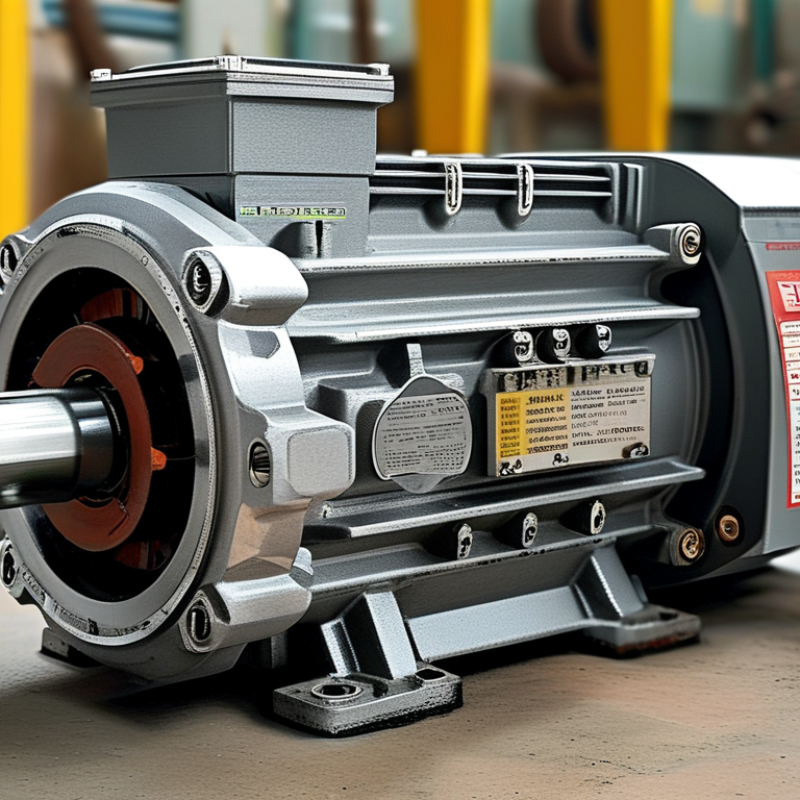
Explosion-Proof NEMA Motors: Definition, Design, and Applications
Explosion-proof NEMA motors are built for locations where flammable gases, vapors, or dust may exist. Their enclosures contain internal ignition and prevent flames from escaping into the surrounding atmosphere. They do not make a hazardous area safe by themselves. Proper area classification remains essential.
The design usually includes a strong cast-metal frame, carefully fitted joints, sealed cable entries, and controlled surface temperatures. NEMA frame dimensions also support easier replacement and equipment integration. Internal thermal protection can reduce overheating during overloads or stalled operation. These motors serve pumps, fans, conveyors, compressors, and mixers in chemical plants, fuel handling areas, and grain-processing facilities.
A common mistake is choosing a motor by horsepower alone. The enclosure type, temperature code, duty cycle, voltage, and mounting position also matter. In field work, I would verify the hazardous-location rating against the actual atmosphere and operating conditions. The label alone is not enough. Documentation, inspection history, and installation quality deserve equal attention.
Tips: Check the area classification before ordering. Confirm the motor’s temperature rating and cable-entry method. Keep cooling surfaces clean, especially where dust collects. Never modify the enclosure without qualified engineering review. Small installation errors can create serious heat and sealing problems.
| No. | Motor Type or Configuration | Definition and Main Design Features | Typical Hazardous Location | Common NEMA Enclosure or Protection | Typical Electrical Characteristics | Applicable Standards or Classification | Representative Applications |
|---|---|---|---|---|---|---|---|
| 1 | Class I, Division 1 Motor | Designed for locations where flammable gases or vapors may exist during normal operation or may frequently be present because of maintenance or leakage. | Gas, vapor, or liquid processing areas with a high probability of hazardous atmospheric conditions. | Certified explosion-proof enclosure with flame paths, tightly fitted joints, protected cable entries, and controlled internal ignition sources. | Commonly three-phase induction motors; approximately 0.5–500 hp, 460 V, 60 Hz in North American installations, subject to the certified design. | NEC Class I, Division 1; NEMA MG 1; certification may include UL 674 or CSA requirements depending on the market. | Petroleum refineries, chemical processing units, solvent handling systems, and fuel transfer facilities. |
| 2 | Class I, Division 2 Motor | Used where flammable gases or vapors are normally contained but could become hazardous because of abnormal operation, accidental release, or equipment failure. | Areas adjacent to closed process equipment, enclosed fuel systems, and locations with intermittent vapor risk. | Explosion-proof or specially certified industrial motor enclosure with suitable seals, conduit connections, and surface-temperature control. | Common ratings include 1–300 hp, 230/460 V or 460 V, 60 Hz; actual ratings depend on frame size and certification. | NEC Class I, Division 2; NEMA MG 1; local approval requirements apply. | Gas compressor rooms, fuel storage areas, wastewater facilities, and chemical plant support equipment. |
| 3 | Zone 1 Flameproof Motor | Uses a flameproof enclosure designed to withstand an internal explosion and prevent flame transmission to the surrounding atmosphere. | Locations where an explosive gas atmosphere is likely to occur periodically during normal operation. | Flameproof enclosure, engineered flame paths, certified cable glands, robust terminal chamber, and controlled maximum surface temperature. | Typically three-phase squirrel-cage induction motors from small fractional ratings to several hundred horsepower. | IEC 60079-0 and IEC 60079-1; commonly marked Ex db with an appropriate gas group and temperature class. | Oil and gas production, petrochemical plants, marine terminals, and hazardous process machinery. |
| 4 | Zone 2 Gas-Atmosphere Motor | Designed for areas where an explosive gas atmosphere is not expected during normal operation but may occur briefly under abnormal conditions. | Low-frequency or short-duration gas hazard areas surrounding enclosed process systems. | Certified non-sparking, increased-safety, or flameproof construction according to the equipment protection concept and installation requirements. | Often supplied in 1–250 hp ranges with 380–415 V, 50 Hz or 460 V, 60 Hz configurations. | IEC Zone 2; equipment may use Ex ec, Ex db, or another approved protection concept suitable for the application. | Gas utility stations, ventilation areas, paint and coating facilities, and chemical storage support systems. |
| 5 | Class II Dust-Ignition-Protected Motor | Built to limit the entry of combustible dust and prevent ignition caused by internal sparks, hot surfaces, or accumulated dust. | Locations containing combustible dust such as grain dust, plastic dust, coal dust, or metal dust. | Dust-tight or dust-ignition-protected enclosure, sealed bearings, protected terminal box, and restricted external surface temperature. | Commonly 1–200 hp, three-phase, 230/460 V or 460 V, 60 Hz; motor selection must consider dust layer thickness and cooling. | NEC Class II; Division 1 or Division 2 classification; NEMA MG 1 and applicable certification requirements. | Grain elevators, flour mills, feed plants, plastics processing, coal handling, and powder manufacturing. |
| 6 | Class III Motor | Designed for environments where easily ignitable fibers or flyings are present but are not normally suspended in the air in quantities that can form an ignitable mixture. | Textile plants, cotton processing areas, woodworking facilities, and similar fiber-producing locations. | Enclosure minimizes entry and accumulation of fibers or flyings and limits ignition sources during normal operation. | Typically low- to medium-power motors, often 1–150 hp, with voltage and frequency selected for the facility power system. | NEC Class III; Division 1 or Division 2 requirements may apply according to the hazard assessment. | Textile machinery, sawdust collection systems, woodworking equipment, and fiber-processing conveyors. |
| 7 | TEFC Explosion-Protected Motor | Totally enclosed fan-cooled design that prevents free air exchange between the motor interior and the surrounding environment; hazardous-location certification is still required for explosive atmospheres. | Outdoor, dusty, humid, corrosive, or washdown-prone industrial locations, when the certification matches the hazard. | TEFC enclosure with external cooling fan, sealed or shielded bearings, corrosion-resistant finish, and certified hazardous-location construction where required. | Frequently available from 1–500 hp, 230/460 V or 460 V, 60 Hz, with a wide range of NEMA frames and speed options. | NEMA MG 1 enclosure terminology; hazardous-location approval may be based on NEC, UL, CSA, or IEC requirements. | Pumps, fans, compressors, conveyors, mixers, and material-handling equipment in harsh industrial environments. |
| 8 | Brake Explosion-Proof Motor | Combines an explosion-protected motor with an electrically released or spring-applied brake for rapid stopping and load holding. | Hazardous lifting, positioning, and material-handling areas where stopping control is essential. | Certified motor enclosure with a protected brake assembly, sealed brake housing, suitable thermal protection, and compatible cable entry system. | Commonly 1–100 hp; brake torque is selected according to load inertia, stopping time, duty cycle, and safety requirements. | Motor and brake assembly must satisfy the applicable hazardous-location certification; NEMA MG 1 may govern motor performance requirements. | Hoists, cranes, winches, conveyors, machine tools, and equipment requiring controlled stopping in hazardous areas. |
| 9 | Inverter-Duty Explosion-Proof Motor | Designed for variable-frequency-drive operation with enhanced insulation, reduced bearing-current risk, and thermal capability over a defined speed range. | Hazardous areas requiring variable-speed pumping, ventilation, compression, or process control. | Certified explosion-protected enclosure with inverter-duty insulation system, suitable cooling arrangement, and drive-compatible cable and grounding provisions. | Usually 1–300 hp; operating frequency may range from approximately 5–60 Hz or wider when specifically engineered and certified. | NEMA MG 1 Part 31 is commonly referenced for inverter-fed motor performance; hazardous-location certification and VFD installation rules also apply. | Variable-speed pumps, extraction fans, compressors, mixers, and process lines requiring energy-efficient control. |
| 10 | Low-Temperature or Corrosion-Resistant Motor | Explosion-protected motor adapted for severe outdoor, cold-climate, coastal, or chemically corrosive service through material selection, heaters, coatings, seals, and condensation control. | Offshore platforms, cold storage areas, coastal plants, chemical facilities, and exposed outdoor installations. | TEFC or flameproof enclosure with anti-condensation heater, corrosion-resistant coating, stainless or treated hardware, sealed components, and appropriate ingress protection. | Often 1–250 hp; temperature range, insulation class, space-heater voltage, and enclosure rating must be specified for the site conditions. | Project-specific NEC, IEC 60079, NEMA MG 1, ingress-protection, corrosion, and environmental requirements may apply. | Offshore pumps, refrigeration systems, marine ventilation, chemical dosing equipment, and outdoor process machinery. |
: They help reduce ignition risks in areas with flammable gas, vapor, dust, or fibers. Efficiency matters too. Motor systems consume substantial global electricity.
Review enclosure design, thermal protection, shaft dimensions, testing records, and export support. Ask for drawings and performance curves. A large catalog proves little.
Request certificates covering the exact motor model, voltage, temperature class, and hazardous-area classification. The documents should match the nameplate. Check the manufacturing site carefully.
No. A motor approved for one gas or dust group may not suit another location. Classification must match the installation. Do not rely on a general catalog statement.
Compare frame size, horsepower, voltage, frequency, mounting, brake options, and ambient-temperature limits. Also review altitude, duty cycle, and maintenance access. Small mismatches become expensive.
Many suppliers support 60-hertz designs, regional frame sizes, brake motors, and customized voltages. Confirm each option in writing. Customization can affect delivery time.
Inspect winding stations, bearing storage, rotor balancing, coating consistency, and final inspection controls. Pressure testing is useful evidence. A clean showroom is not enough.
Yes. A sample order can reveal inspection accuracy, packaging quality, response speed, and actual performance. Factory acceptance testing adds confidence. I would not approve from brochures alone.
Yes. A more efficient motor may change starting current, cooling needs, or inverter compatibility. Review the complete operating condition. The better rating is not automatically better.
Low prices may reflect reduced testing, limited customization, or weaker support. That is not always true. Still, investigate it.
This article provides a practical overview of Explosion-Proof NEMA Motors, explaining their purpose, protective construction, enclosure design, and suitability for hazardous industrial environments. It outlines how these motors are engineered to limit ignition risks while delivering dependable performance in applications such as chemical processing, oil and gas operations, mining, manufacturing, and material handling. The discussion also introduces the key technical standards, testing requirements, certification documents, manufacturing capabilities, and quality-control practices that should be considered when evaluating suppliers in China.
A structured comparison of the top 10 China-based supplier categories examines product ranges, NEMA frame compatibility, power ratings, protection levels, customization options, delivery capacity, technical support, and after-sales service. The article concludes with a practical selection guide, helping buyers match a supplier’s certifications, production experience, documentation, reliability, and application expertise with their project requirements. This approach supports safer purchasing decisions and helps users identify Explosion-Proof NEMA Motors that provide the appropriate balance of compliance, performance, durability, and long-term operating value.