In-depth technical guides, engineering standards, industry trends, and practical updates from our European electric motor specialists.
China’s explosion-proof motor sector combines large-scale manufacturing with increasingly strict engineering controls. This guide introduces ten leading Chinese suppliers of Explosion-Proof High Voltage Motors for demanding industrial environments. Their products serve oil and gas plants, chemical facilities, mining operations, power stations, and other hazardous locations.
Selection should involve more than production volume or export reach. Buyers need to examine IEC 60079 certification, IEC 60034 performance data, temperature-class ratings, enclosure protection, insulation systems, and factory testing. A motor may look robust under bright showroom lights, yet its cable glands, bearings, cooling path, and terminal box decide its field reliability. Small details matter.
Electrical-safety specialist John A. Puskar offers a useful reminder: “A compliant motor is not automatically a safe installation.” The statement deserves attention. Explosion-proof High Voltage Motors must match the area classification, voltage system, starting method, load profile, and maintenance plan. Supplier experience also matters, especially when motors operate beside hot pipelines, dusty conveyors, or vibrating compressors.
This overview compares Chinese manufacturers through practical criteria, including technical capability, customization, certification support, delivery performance, and after-sales service. It does not treat every supplier as identical. Some companies excel in mining motors. Others focus on petrochemical applications or large synchronous machines. Evidence can also be uneven across public sources, so readers should verify certificates and test records directly. That extra step may feel slow. It often prevents expensive mistakes.
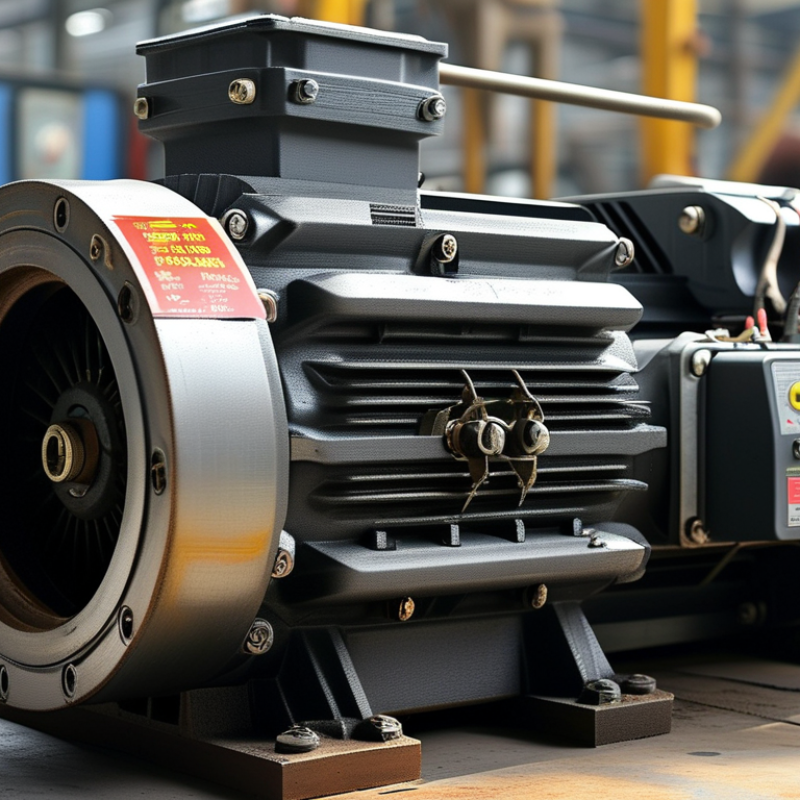
Explosion-proof high-voltage motors are engineered for hazardous industrial areas where flammable gas, vapor, or dust may exist. High voltage usually means above 1,000 volts. These motors power pumps, compressors, fans, and conveyors in demanding facilities.
Their special enclosure limits ignition risk. If an internal fault creates a spark or pressure, the housing is designed to contain it and cool escaping gases. Cable entries, terminal boxes, bearings, cooling systems, and surface temperatures also require careful control. The motor must match the area classification, gas or dust group, temperature class, voltage, load, and starting method. Certification is not optional.
A reliable selection begins with site data, not a catalog photograph. Engineers should verify hazardous-zone drawings, ambient temperature, altitude, duty cycle, and available protection systems. When comparing suppliers, request certification, test records, technical drawings, and repair guidance. During maintenance, clean cooling paths, inspect seals, test insulation, and follow the certified repair method. Small errors can matter. An explosion-proof motor does not make an unsafe installation safe. Poor grounding, incorrect cable glands, or an unsuitable starter can defeat the design. Specifications can also be imperfect when process conditions change. A second review by a qualified professional is worthwhile before purchase or replacement.
China’s top explosion-proof high voltage motor suppliers must build around safety standards, not marketing claims. The GB/T 3836 series is central to explosion-proof electrical equipment in China and aligns closely with the IEC 60079 framework. Manufacturers should define the hazardous area, gas group, temperature class, and protection method before selecting a motor design.
Details matter. Ex d motors need strong flameproof enclosures, carefully controlled flame paths, and verified joint dimensions. Ex ec motors require reliable insulation, thermal protection, and strict control of ignition risks. High voltage windings need tested insulation systems, partial discharge checks, and suitable clearances. Routine inspections should cover winding resistance, dielectric strength, vibration, temperature rise, and enclosure integrity. Small defects can become serious in dusty plants or chemical processing areas. Testing should follow applicable GB/T requirements, while independent laboratories and accredited certification bodies add credibility.
In factory audits, traceability often separates reliable suppliers from weak ones. Inspectors should review material records, machining tolerances, calibration certificates, and final test reports. A certificate alone can mislead. It does not prove every production unit matches the tested design. Suppliers should also provide clear maintenance instructions and emergency response guidance. One practical weakness remains: documentation is sometimes excellent, while worker training is limited. That gap deserves attention during supplier evaluation. Safety improves when engineering evidence, production discipline, and field experience support each other.
Supplier selection should begin with evidence, not a polished catalog. The International Energy Agency reports that electric motor systems consume about 50% of global electricity. Efficiency, therefore, affects both operating cost and carbon exposure. Ask for tested efficiency curves, locked-rotor current, thermal limits, and noise readings at the stated voltage and frequency. A high-voltage motor may look impressive on paper, yet its starting performance can fail under a weak industrial grid.
Check the certificate trail carefully. IEC 60079-0 and IEC 60079-1 define important requirements for explosive atmospheres and flameproof enclosures. Request certificates matching the exact motor series, enclosure design, temperature class, gas group, and rated output. Verify serial numbers with the issuing certification body when possible. For China-origin equipment, also confirm applicable national certification and destination-market requirements. Documents should identify the testing laboratory, revision date, and manufacturing site.
Factory experience matters more than showroom size. Review winding records, rotor balancing reports, pressure-test results, and final inspection data. Ask whether the supplier performs routine tests on every motor, not only type tests. An independent inspection can check shaft runout, bearing temperature, terminal-box sealing, and paint thickness before shipment. I have seen documentation look complete but miss the actual production location. That detail deserves attention. Delivery statistics and warranty claims should be reviewed across at least twelve months. MarketsandMarkets’ industrial motor research also shows strong demand for efficient motor systems, but market growth does not prove engineering quality. Evaluate the specific motor, not the promise.
China’s Top 10 Explosion-Proof High-Voltage Motor Suppliers
China’s top ten explosion-proof high-voltage motor suppliers are often compared by output, testing, and service capability. A reliable supplier should provide clear technical data, current certificates, and traceable production records. Buyers should check rated voltage, power range, speed, insulation class, and enclosure protection before requesting quotations.
Factory experience becomes visible during an audit. Look for controlled winding areas, rotor balancing equipment, and documented pressure tests. Ask how each motor handles dust, gas, heat, and continuous industrial loads. Engineers should explain temperature rise, bearing life, vibration limits, and starting current without vague promises. Test reports should match the actual motor nameplate. Small differences can become expensive later.
The best suppliers usually support customized shafts, cooling systems, cable entries, and mounting designs. Responsive after-sales teams also matter when commissioning takes place far from the factory. However, a top-ten list is not a permanent truth. Some suppliers communicate well but offer weak documentation. Others build strong motors yet respond slowly. I have seen both situations. Independent inspection remains wise, especially for demanding plants and export projects. Compare production evidence, certification validity, delivery records, and service response together. A polished catalog is not enough. Reliability is proven under real operating conditions.
This chart shows the maximum surface temperature limits defined by IEC 60079-0 for gas-and-vapour temperature classes, a key specification used when evaluating explosion-proof motor suitability. It does not rank individual companies or brands.
Industrial buyers choosing among China’s top explosion-proof high-voltage motor suppliers should start with the operating environment, not the catalog price. These motors commonly serve petrochemical plants, refineries, mines, gas stations, and chemical processing lines. Confirm the hazardous-area classification, gas group, temperature class, enclosure rating, voltage, frequency, and required output. A catalog match is not enough.
Ask suppliers for test reports, certification documents, routine inspection records, and clear manufacturing traceability. Check whether the motor supports the driven equipment’s starting torque and duty cycle. A large pump may need different starting performance from a compressor or conveyor. Review bearing design, cooling method, insulation system, vibration limits, and permissible ambient temperature. On-site details matter. Dust, humidity, altitude, and frequent starts can change the selection.
During supplier evaluation, compare engineering response time, spare-parts access, packaging quality, and commissioning support. Request drawings before purchase, including shaft dimensions, terminal-box position, mounting details, and total weight. Independent document verification is sensible, even when a supplier appears experienced. I have seen buyers focus on efficiency while overlooking starting current and maintenance clearance. That mistake can delay installation.
Leave room for doubt. Operating data may be incomplete. Ask for a technical clarification meeting instead of guessing. A reliable supplier should explain limitations, not only advertise performance. For critical equipment, require witnessed testing and define acceptance criteria in the contract. Small details often decide whether a motor runs steadily at 6,000 volts or creates repeated shutdowns.
: Start with tested performance data, not a polished catalog. Request efficiency curves, locked-rotor current, thermal limits, and noise readings. Evidence comes first.
Compare voltage, output, speed, insulation class, enclosure protection, and operating frequency. Also review starting performance under a weak industrial grid. Paper performance can mislead.
Match certificates with the exact motor series, enclosure design, temperature class, gas group, and rated output. Check the testing laboratory, revision date, manufacturing site, and serial number. Verify records when possible.
Yes. Confirm applicable national certification and destination-market requirements before ordering. A certificate may not cover every export destination. That detail matters.
Review winding records, rotor balancing reports, pressure-test results, and final inspection data. Ask whether routine tests cover every motor, not only selected type-test samples. Showroom size proves little.
Inspect shaft runout, bearing temperature, terminal-box sealing, paint thickness, and nameplate accuracy. The inspection should confirm that test reports match the actual motor. Small differences become costly.
Review delivery statistics and warranty claims across at least twelve months. Check service response during commissioning, especially at distant industrial sites. Fast replies help.
Treat rankings as starting points, not permanent truth. Some suppliers communicate well but provide weak documentation. Others build strong motors but respond slowly. I would compare evidence, certificates, delivery records, and service together.
This article provides a practical overview of Explosion-Proof High Voltage Motors, explaining how they are designed to operate safely in hazardous industrial environments where flammable gases, vapors, or dust may be present. It introduces the main safety principles behind explosion-proof construction, including sealed enclosures, temperature control, insulation performance, and protection against ignition sources. The article also reviews key standards and certification considerations that buyers should examine when assessing motor manufacturing quality in China.
In addition, the guide presents a structured approach to evaluating China’s top explosion-proof high-voltage motor suppliers without focusing on any specific brand. It highlights important factors such as technical capability, product customization, testing procedures, quality management, delivery reliability, after-sales support, and certification transparency. The final section discusses common applications in industries such as energy, chemicals, mining, and heavy manufacturing, while offering practical selection tips based on voltage, power, operating conditions, hazardous-area classification, maintenance requirements, and total lifecycle cost.